
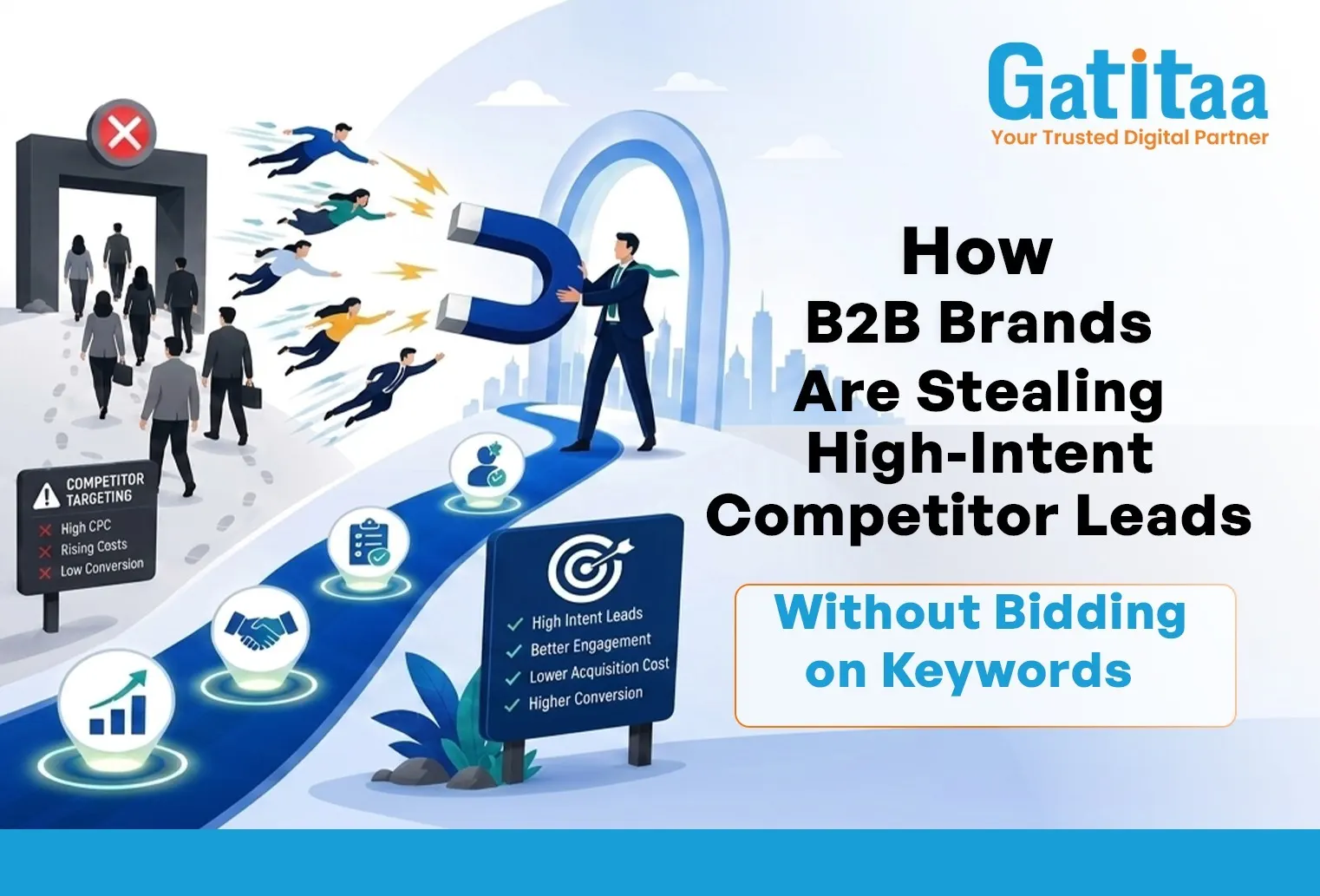
2026 will be a year of huge change for B2B marketing, as brands ditch expensive keyword bidding strategies. Instead, they are doubling down on organic discovery channels to better reach high-intent buyers. That’s because of social media search optimization tactics, where Social media platforms like YouTube, LinkedIn, and short-form video apps become search engines.
This means companies organically acquire competitor-ready leads and massively cut down on paid advertising while increasing the quality and conversion potential of leads overall.
The Fragmentation of Modern Discovery
Buyers today don’t follow a linear search journey. Jumping between platforms – Google, YouTube, LinkedIn, Instagram, AI search tools – before they make a decision.
This fragmented behavior has lessened the dominance of traditional SEO and underscored the need to capture high intent organic video traffic across multiple discovery layers. Today, repeated exposure to the same content on different platforms is more trusted than a single search result.
B2B brands that adapt to this shift are getting early-stage visibility before their competitors even enter the funnel.
The Competitor Comparison Loophole
One of the most powerful tactics in modern digital marketing is utilizing the competitor comparison stage. Consumers usually look for alternatives, reviews, or comparisons before coming to a final decision.
Here is where the competitor alternative marketing framework becomes critical. In order to achieve this, brands are shifting away from generic keywords and creating content that actively compares their offering to competitors and claims themselves as the superior alternative.
This strategy is useful for net users who have a strong buying intent but are still shopping around.
Optimizing Native Video Metadata for Search Crawlers
Video content has become an important ranking asset in search ecosystems. Platforms use metadata signals for relevance assessment and potential ranking.
Understanding how to rank short-form video metadata is important to be visible on social and search platforms. Important parts are:
- Optimized video titles with intent-based keywords
- Detailed descriptions with contextual relevance
- Hashtags aligned with search queries
- Captions and transcripts for indexing
- Engagement signals like watch time and saves
These factors help to improve b2b visual search engine optimization, helping brands to be found in social feeds as well as search results.
Stealing High-Intent Traffic Safely
It’s not about aggressive competition but strategic visibility that ethically pulls in users ready to convert. Ethical ‘traffic stealing’ is getting your content in front of competitor audiences who are already searching, comparing, and engaging. Brands can organically attract high-intent users without breaking the rules of the platform by employing social media search optimization techniques and regular content publishing.
This method boosts discoverability, builds authority, and fuels long- term growth too, while also making sure your brand is seen as a real formidable player out there, in competitive markets and on high-intent decision-making paths.
FAQs
Social SEO is basically the process of optimizing social media content so it shows up in search results inside those platforms like YouTube, LinkedIn, and Instagram.
Video SEO optimisation, competitor comparison, content creation, High intent informational content creation.
Yes, search engines do use transcripts, captions, and that metadata to help them figure out and then index video content, for ranking and discovery.
Recent Blog
- Zero-Click Search Is Stealing Your Traffic: Here Is How to Win It Back
- 5 AI Tools That Will Double Your Marketing ROI
- How to Prepare Your Marketing Strategy Before Google Completely Changes Search
- Why AI Search Engines Are Mentioning Your Competitors, Not You!
- Why Your Paid Ad Campaigns Will Cost Double This Year (Unless You Pivot Now)
- Why Are High Google Rankings Suddenly Driving Zero Clicks?
- What is AEO (Answer Engine Optimization) and How is it Different from SEO?
- How to Develop Authentic Brand Messaging in the Age of Generative AI
- Why Single-Camera Forces Better Storytelling in Commercials
- Why Human Content Still Outranks AI in 2026
- 2026 Web Design Trends: Organic Layouts, Motion Narratives & the Anti-AI Backlash Explained
- How AI Video Is Killing Traditional Editing in 2026 — And What Comes Next
- What Happens When AIs Start Talking to Each Other?
- How Do I Get My Brand Mentioned in Gemini and ChatGPT’s Daily Summaries?
- Multilingual SEO: Rank in Any Language with Voice Search
- Convert Your WhatsApp Enquiries: The 2026 Sales Funnel That Actually Sells
- Why Swiggy and Zomato Are Moving Toward “Quiet Marketing”
- Visual SEO: Why Your Product’s Physical Packaging is Your New Homepage
- Are Third-Party Cookies Officially Dead in 2026?
- Who Are You Building For? Designing Websites for Humans vs. AI Crawlers
- Employee-Generated Content (EGC): Why Your Staff is Your Best Ad Agency
- YouTube Shorts vs. Instagram Shop: Where Should You Launch in India in 2026?
- The 2026 Marketing Budget Breakdown: Where to Spend vs. Where to Save
- RIP SEO? Why 2026 Is the Year of GEO
- The Rise of ‘Vibe’ Marketing: Why Gen Z Is Ignoring Your Polished Ads
- Why does small business need a strong brand identity in the digital age?
- SEO-Friendly Website Design That Ranks and Converts